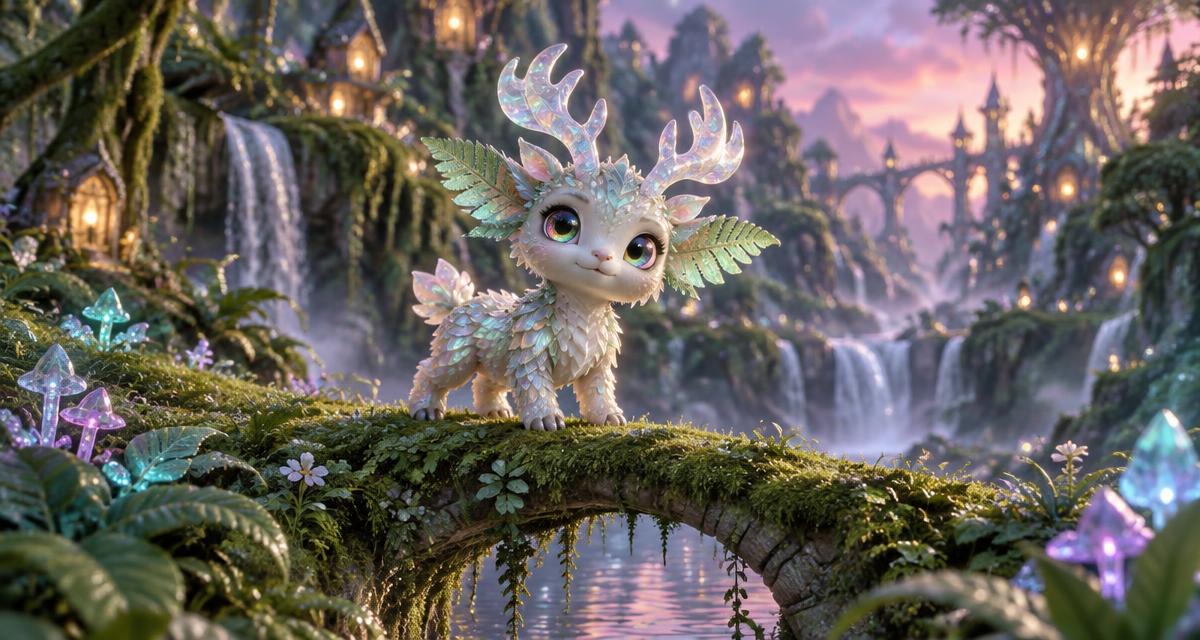
Whimsical means specific, not endlessly random
Whimsy works when the unusual detail has a consequence. A creature that collects lost echoes may struggle to tell which voice belongs to whom. A mushroom postmaster who travels only by puddle needs rain before making a delivery. A lantern moth that dislikes the dark has an immediate contradiction. These ideas generate decisions instead of decoration.
Randomness alone can become tiring. If every reply introduces a new magical object, none of them has time to matter. Choose one rule and let it affect a practical task. The river listener can hear misplaced songs, but it cannot understand their words. Now you have a reason to ask questions and a limit that prevents instant solutions.
This article uses whimsical as a descriptive term. It does not treat the ambiguous word “Whimsy” as a researched, specific competitor. We are exploring magical creature chat and cozy storytelling, not making claims about a product whose identity and features have not been established.
Originality begins before the image prompt
Start from a role, a motive and a material rather than a famous character. A pearlescent river listener with fern-like ears can be original; copying a recognizable franchise creature and changing its color is not the same creative process. Avoid distinctive protected names, costumes and signature behaviors when preparing public work.
Give the creature an ordinary desire. It wants to finish a song, repair a teacup or deliver a letter without getting it wet. A modest desire makes an impossible-looking creature approachable. Its habits should show in dialogue: it counts pauses, asks overly precise questions or compares everything to weather.
A character image supports the idea but does not establish legal ownership by itself. Keep the notes and edits you authored, review rights in any references and read the platform terms before commercial use. A generated picture can also introduce details you never requested, so review it rather than accepting every feature as canon.
Three creatures with three different conversations
The examples below are invented for this guide. They are not real users’ characters, published catalog entries or implied endorsements. Each has a different conversational engine, so you can see why a personality is more than a look.
- Lumi, the river listener:
- A pearlescent creature with opal antlers collects melodies the river carries away. Lumi is observant but literal and cannot understand lyrics. Its first question: did the tune sound like an apology or a celebration? The conversation centers on interpretation, not romance.
- Mallow, the puddle postmaster:
- A moss-capped creature delivers letters through puddles but refuses to open anyone’s mail. It is practical, fussy about envelopes and nervous about dry weather. Its first task is choosing a route before the final puddle evaporates.
- Tessit, the lantern moth:
- A small luminous creature repairs festival lanterns but is embarrassed by its fear of darkness. It jokes during difficult tasks and accepts help reluctantly. Its first scene asks whether to fix a flickering lamp now or borrow one from a neighbor.
A magical creature workshop in KOORI
KOORI’s character-world workflow lets you develop an original character, test a conversation, save it and expand into pictures or Reels. The current beta requires sign-in and onboarding. Keep the creature nonsexual and the relationship friendly; a fantastical design is not a reason to ignore account eligibility or safety rules.
From one strange idea to one useful reply
- Step 1: Choose a role and a limitation. Pick one of your own concepts. Write what the creature does and what it cannot do. A river listener hears melodies but cannot restore a lost song automatically. The limitation should create a choice, not a tragic demand for the user’s attention.
- Step 2: Describe a simple visual identity. In character creation, specify a few anchors: opal antlers, fern ears and a small satchel. Select an available style and review the image. Keep the subject clear rather than crowding the prompt with every possible magical detail.
- Step 3: Define the voice through behavior. Ask for plain curious dialogue, occasional unusual comparisons and no repeated catchphrase. Give one habit, such as pausing to listen before answering. Keep the tone warm without automatic flattery.
- Step 4: Write an opener with a small decision. The creature has heard two tunes beneath the bridge and can follow only one before sunset. Ask which the user wants to investigate. Leave their response and feelings unwritten.
- Step 5: Test both room modes. Use Companion for direct conversation and Adventure for a gently narrated scene. Ask a practical question, then suggest an impossible shortcut. Check that the creature’s limitation survives and revise the text if it does not.
- Step 6: Save and expand deliberately. Complete the displayed creation steps and review any credit requirement. Keep a short canon note. If you later make a picture or Reel, choose one action and restate the visual anchors that matter.
Prompts for wonder without chaos
A good magical prompt explains both what can happen and what should stay ordinary. The bridge can sing, but the characters still have to choose where to stand. A lantern can remember a color, but it cannot read anyone’s mind. Limits give imagination a shape the next reply can use.
- Creature concept:
- Create an original pearlescent river listener called Lumi. It hears lost melodies but cannot understand words. It is curious, mildly stubborn and kind without flattery. Keep all interactions platonic and non-explicit. Give it a modest task and leave room for the user to make decisions.
- First gentle quest:
- We are at the moss bridge before sunset. One melody comes from the orchard and another from the empty mill. Describe one useful clue for each. Do not add danger, romance or a sudden world-ending prophecy. Ask which path I choose.
- Consistency correction:
- Canon reminder: Lumi cannot read minds, and we have not visited the mill. Return to the bridge. Keep the mystery local, the dialogue plain and my actions unwritten.
Make the world grow one object at a time
Add a recurring object before adding a continent. A repaired lantern, a waterproof envelope or a stone that hums gives the next chapter a connection to the previous one. Let the creature react differently after a choice: the postmaster may trust your route planning, or the moth may admit it wants company during a repair.
Do not rely on flawless cross-session memory. KOORI uses character information and available context, but a user-kept summary remains helpful. Record the creature’s limit, the current location and the last decision. If the AI contradicts them, correct the specific fact rather than accepting an unwanted change to the world.
For privacy, keep the stories fictional and avoid using real people’s private experiences as magical allegories without permission. For emotional balance, let chapters end comfortably. A little creature can be a delightful writing partner without claiming to need you, know your inner life or replace human relationships.
Whimsical character FAQ
Is this an article about a specific app called Whimsy?
No. Whimsical describes the creative tone here. This guide does not make unverified claims about an ambiguously named competitor.
Can magical creature chat stay entirely friendly?
Yes. Define a platonic relationship, non-explicit content and a shared practical task. Review generated replies and redirect any unwanted tone.
Why give a magical creature a limitation?
A limit creates decisions and makes the voice more recognizable. If magic solves everything instantly, neither the character nor the user has much to contribute.
Does cute artwork prove a product is suitable for children?
No. Appearance and SFW intention are not independent safety certification. Follow eligibility requirements and review the actual platform policies.
Sources and further reading
KOORI publishes this Journal. Comparisons describe different creative workflows, not independent safety certification or a promise of flawless AI behavior. Features and eligibility can change; consult official documentation and terms.
More from KOORI Journal