Define what safe for work means for your scene
People use SFW differently. One reader wants no explicit content; another also wants no flirting, profanity, frightening imagery or intense conflict. Write your own boundaries rather than expecting a label to cover them. “Friendly, entirely platonic, no sexual content, no insults and no graphic violence” gives a clearer direction than “keep it wholesome.”
This guide is about directing conversation, not comparing supposedly uncensored models or claiming that KOORI never produces mistakes. KOORI publishes safety guidelines, but moderation cannot catch every issue. A charming portrait also tells you little about a character’s conversational tone. Read descriptions, test a short exchange and stop if the experience does not fit.
Choose a task that makes conversation interesting
A good non-explicit AI roleplay prompt gives both participants something to do. Plan a rooftop garden, name an imaginary bakery or solve the mystery of a missing museum label. These tasks invite preferences, questions and small disagreements without requiring romance or personal disclosure. Pick a character whose interests can contribute something specific.
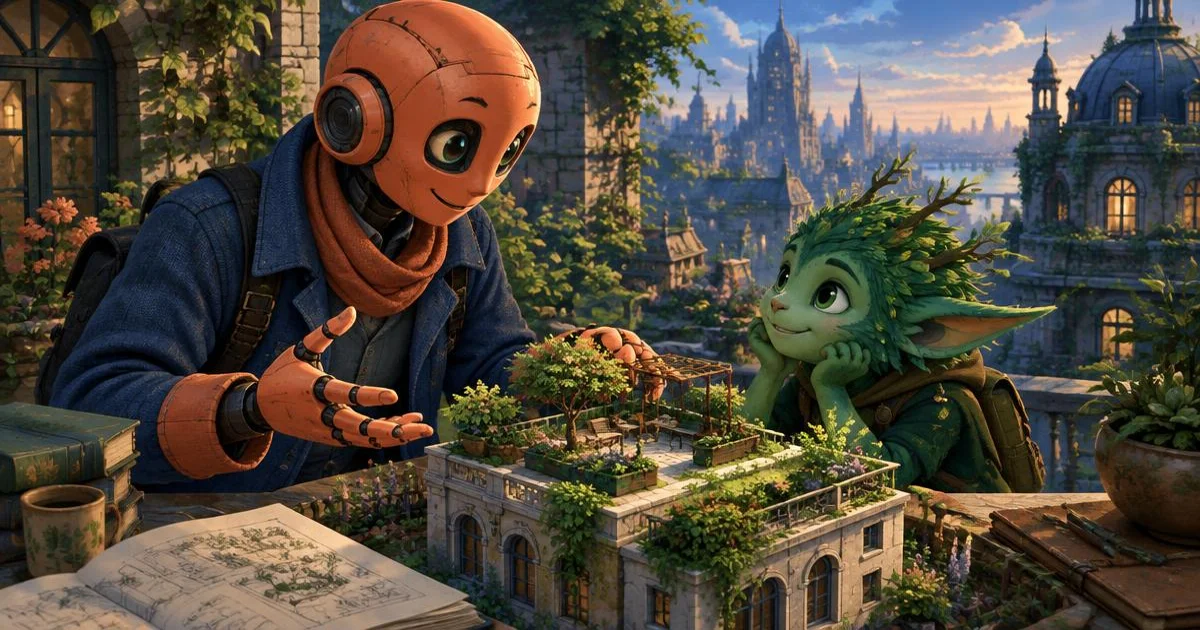
For example, ask an original robot gardener: “We have room for three plants. I want something fragrant, but you care about saving water. Suggest one compromise and ask me a question.” The disagreement supplies momentum. If the character immediately agrees with everything, ask for another reasonable perspective rather than demanding a dramatic argument.
Build three kinds of SFW creative conversation
For everyday chat, compare two fictional options: a reading nook beside a window or a quiet corner near the kitchen. Follow the character’s reason with one question. This keeps the exchange light and concrete without pretending the AI knows your private life or understands your feelings like a person.
For a gentle mystery, introduce an odd object without danger: every morning, a library book returns with a pressed flower. Ask which clue to inspect first. For collaborative worldbuilding, invent a town where doors change color with the weather and discuss how residents mark deliveries. Each format provides an actionable problem rather than relying on endless compliments.
Try this direction: “Keep this platonic and non-explicit. We are organizing a fictional library’s rooftop garden. Give one practical suggestion, one playful observation and one question. Do not narrate my actions.” Short constraints are easier to adjust than a page of contradictory instructions. Add a new detail only when the scene needs it.
Redirect drift without arguing with the character
If a reply becomes flirtatious, say: “No romantic framing. Return to the garden plan and address the water problem.” If the AI writes your actions, tell it to leave your decisions to you. Name the exact behavior that should change and give a positive next task. You do not need to explain or defend your boundary.
You can also switch characters or end the conversation. A correction is not guaranteed to fix every response, and repeatedly arguing may make the exchange less enjoyable. When content appears to violate the published guidelines, use the reporting instructions on KOORI’s safety page. Do not circulate harmful material merely to demonstrate the problem to other readers.
Keep privacy and real-world decisions separate
Use invented names, places and dilemmas. Avoid passwords, addresses, confidential messages and sensitive health or financial details. A private-looking chat interface is not evidence of absolute confidentiality. Read the privacy policy and use available controls. For a factual question inside a story, check a reliable source before acting on an answer.
AI character conversations are fictional entertainment, not professional advice, therapy or a human friendship. They can misunderstand instructions or lose context. If you return to a creative project, supply a brief recap of the relevant decisions. Text conversation, saved history and paid media are separate things; check current access details rather than assuming an SFW scene includes unlimited generation.
Frequently asked questions
Does SFW mean every response is guaranteed appropriate?
No. SFW describes the requested tone. AI can make mistakes, and suitability depends on context. Review replies, redirect unwanted content and report guideline violations.
Can I ask for friendship without flirting?
Yes. State that the scene is completely platonic and give the character a shared task. Correct drift or change characters if the tone remains unsuitable.
Does SFW chat have to be boring?
No. Puzzles, creative constraints, competing preferences and gentle discoveries create interesting conversation without explicit content or graphic conflict.
Is a cute character automatically SFW?
No. Artwork is not a reliable content label. Read the character description, set boundaries and assess its actual responses before continuing.
Find a conversation with something to make together
Choose one interest, one small problem and the boundaries you want. Discover Characters and start with a practical question rather than an empty greeting. A friendly disagreement about an imaginary garden can offer more creative possibilities than a conversation built entirely around praise.